People Around Us
After-School Art Classes
Hands Create • Minds Solve • Hearts Grow

The Classroom Society: Leadership & Life Roles
Fig. 1. Task ID Cards: Students accomplished their daily task and responsibilities by volunteering and wearing their IDs.
"I don't simply assign classroom jobs—I create opportunities for every student to discover the confidence, responsibility, and joy of leadership, empowering them to realize that they matter, their voice is valued, and even the smallest act of kindness or responsibility can make a meaningful difference." – Leila Ghasempor
The Classroom Society: Leadership & Life Roles
Every Day a New Role: Practicing Leadership Step by Step
To encourage leadership, responsibility, and teamwork, I created a classroom leadership program where every student took on meaningful real-life roles based on the needs of our learning community. Students served as Line Leaders, Peace Makers, Homework Helpers, Art Teachers, Yoga Teachers, Language Teachers, Emergency Doctors, Dr. Clean, Safety Officer, Technicians, Creative Coaches, and more. Some roles were even invented by the students themselves, giving them ownership of the classroom and fostering creativity. Throughout the week, students practiced accountability, collaboration, and empathy while earning books, art supplies, games, and other donated prizes that celebrated their efforts. Through these daily experiences, they developed confidence, problem-solving skills, and a strong sense of community while discovering that every contribution matters.

Fig. 2. Task ID Cards: Students accomplished their daily task and responsibilities by volunteering and wearing their IDs.
"Social-emotional learning happens when students are given opportunities to practice kindness, empathy, and responsibility—not only through lessons, but through the way they care for each other and the world around them.." – Leila Ghasempor
Social Emotional Learning: Building a Culture of Kindness and Empathy
From the first day of our program, students helped create our classroom community by sharing how they wanted to be treated—with kindness, respect, patience, and care. Together, we developed a class agreement that reflected our shared values and displayed it on our classroom wall. Throughout the program, students supported one another by reminding their classmates of these commitments and taking responsibility for creating a welcoming environment.
To encourage positive communication and appreciation, we created affirmation and appreciation jars where students shared kind thoughts, gratitude, and encouraging messages. These reflections became part of our daily snack-time conversations, giving students opportunities to celebrate each other and recognize the positive impact they had on their community.
Through activities such as The Wrinkled Heart Story, students explored how words and actions affect others' feelings and learned the importance of treating others the way they want to be treated. Our Kindness Teddy Bear became a source of comfort and connection, offering support whenever students missed their families or needed a reminder that they were cared for.
Students also practiced kindness through our Tree of Kindness, where they reflected on and shared acts of kindness they performed each day. Their empathy extended beyond people as well. While observing nature, students noticed a bee that was struggling to fly and worked together to help it by gathering plants and creating a safe place for it to rest.
In another lesson about compassion and care, students helped give new life to rescued succulent plants that had been broken and abandoned on sidewalks. They created stories for these plants, imagining their journey from being forgotten to finding a new home in our classroom and I called these plants, Hope, to teach students the survival and hope. These experiences helped students understand that kindness is not only something we say—it is something we practice through our actions every day.
Nature Play: Creative Discoveries
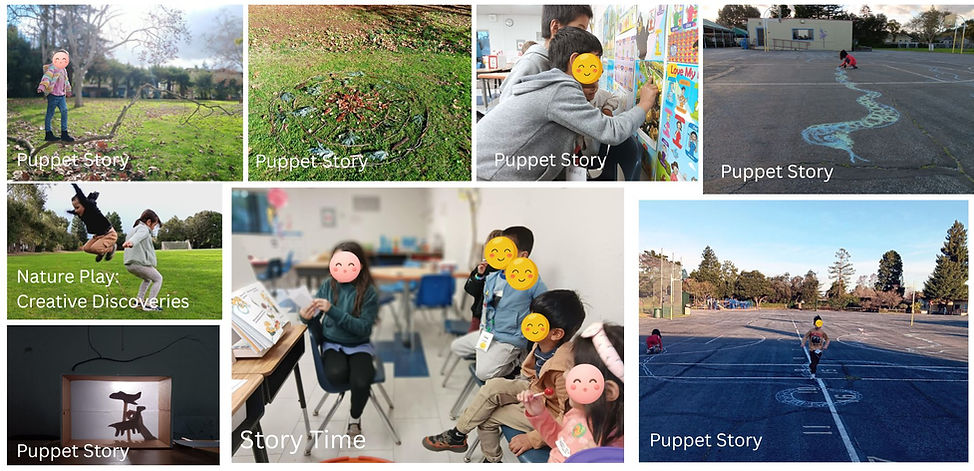
Fig. 3. Task ID Cards: Students accomplished their daily task and responsibilities by volunteering and wearing their IDs.
Invented Games and Discoveries in Nature
Students were encouraged to become explorers, creators, and problem-solvers by observing the natural world around them. Through guided discovery, they developed their own games, sculptures, stories, performances, and interactive plays inspired by their surroundings. I supported students by asking open-ended questions and encouraging them to experiment, collaborate, and find creative solutions to challenges they encountered.
Through storytelling activities, attention-building games, and observation exercises, students strengthened their focus, imagination, and communication skills. They also created site-specific sculptures using found natural materials, learning how everyday objects can become opportunities for artistic expression and creative exploration.